Al Ain Museum Connects Generations to UAE’s Ancient Heritage
Al Ain Museum, the first museum in the United Arab Emirates, offers a window into the lives of communities that inhabited the region thousands of years before the nation came into being. Established in 1969 by the late Sheikh Zayed bin Sultan Al Nahyan, the institution was created to document the country’s heritage and protect its archaeological treasures.
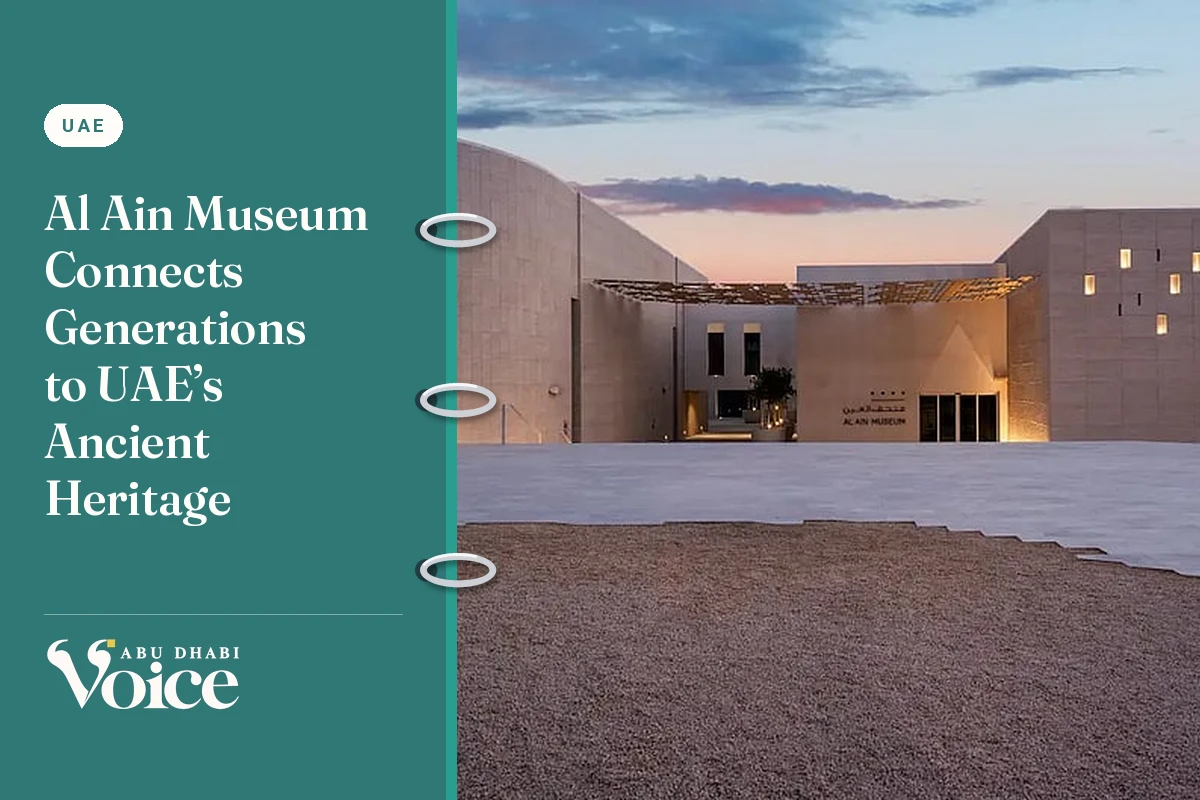
Today, the museum continues to introduce new generations to the area’s history through its extensive archaeological collections, rotating exhibitions, and educational programmes.
Archaeological Discoveries Beneath the Museum
During a redevelopment of the museum, archaeologists uncovered remains beneath its grounds. Rather than removing them, they carefully excavated and preserved the finds in place, integrating them into the visitor experience. Among the discoveries are ancient aflaj channels—an irrigation system dating to the Iron Age—and a stone tomb from the late Pre-Islamic period.
These artefacts illustrate how people lived and built settlements in Al Ain across different eras. Water management was critical; the aflaj system enabled agriculture and permanent settlement in the harsh desert environment. The museum’s collections span more than 8,000 years of human history.
A Setting Steeped in History
The museum is located next to Sultan Fort and Al Ain Oasis, part of the Cultural Sites of Al Ain recognised on UNESCO’s World Heritage List. The area includes ancient settlements, burial grounds, irrigation systems, and historic buildings. Visitors can view an archaeological object inside the museum and then step outside to see the places where the story began.
The museum also delves into more recent history with the exhibition “Harat Al Hosn: A Landscape of Memory.” It portrays the neighbourhood that once surrounded the museum using archival photographs, maps, and oral histories, highlighting the daily lives of families and their close relationship with the oasis. Visitors are encouraged to contribute their own photographs and recollections to help the museum continue documenting the neighbourhood’s history.
Crafts, Conservation, and Community
Al Ain Museum serves not only tourists but also schoolchildren, families, researchers, and heritage enthusiasts. It offers guided tours, archaeological talks, and practical workshops. Children and young people can try traditional Emirati crafts Talli and Sadu, which have been passed down through generations. Through the “Conservator in Action” programme, visitors watch specialists care for historical objects and learn about conservation work.
Behind the galleries, the museum houses its own research and conservation facilities, supporting archaeological study and the long-term care of the collection.
Continuing Sheikh Zayed’s Vision
When Sheikh Zayed founded the museum in 1969, the country was undergoing rapid change. He was determined that the evidence of the past should not be lost. That responsibility remains central to the museum today. It continues to advance archaeological research and to find new ways of sharing Al Ain’s history.
For visitors, the museum offers insight into everyday life in Al Ain across thousands of years. For younger generations, it provides a connection to the place they call home. As new research emerges and more stories come to light, the museum is to remain a place where history can be studied, shared, and preserved for generations to come.