Dubai scientist targets root causes of osteoarthritis in groundbreaking research
Millions of people living with osteoarthritis face increasing difficulty performing everyday tasks such as walking, climbing stairs or moving without pain. While existing treatments manage symptoms, no cure currently exists for this progressive joint disease. Research underway in Dubai, however, could transform how the condition is treated.
Targeting the underlying causes
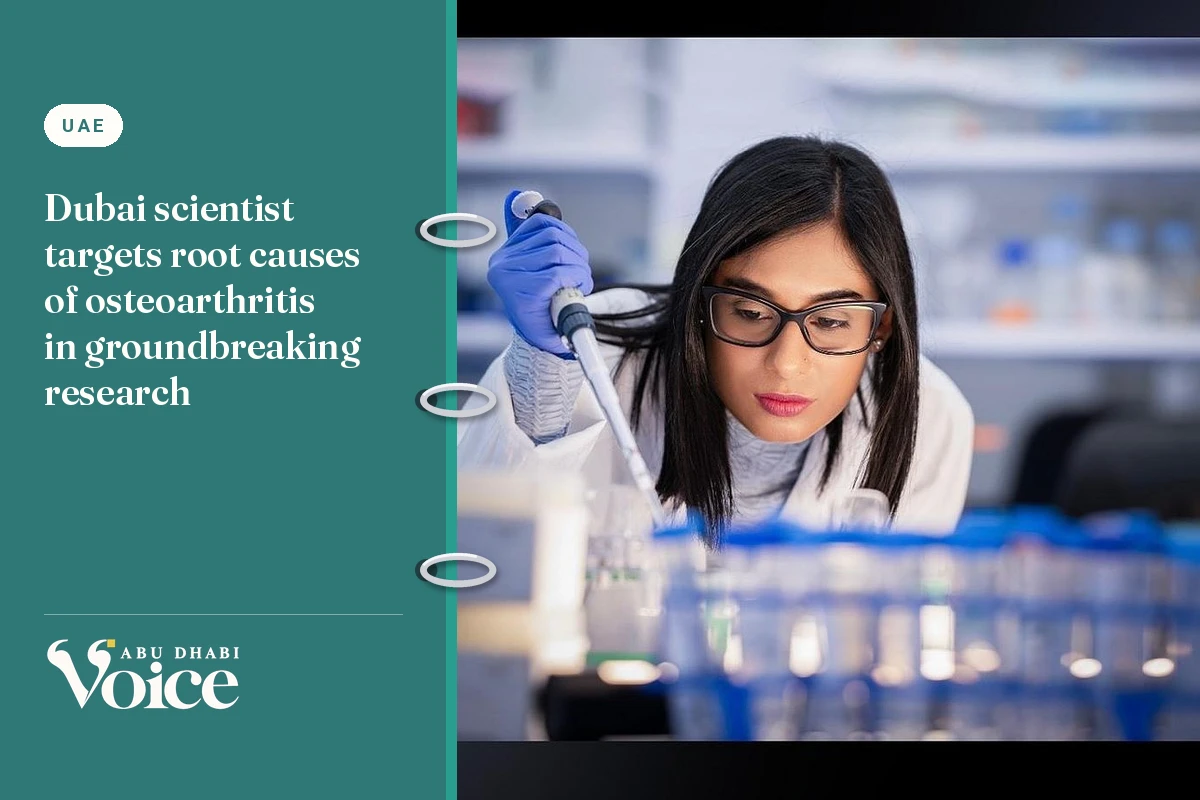
Dr Nerissa Naidoo, Associate Professor of Anatomy at Mohammed Bin Rashid University of Medicine and Health Sciences (MBRU), is investigating whether changes in how genes function could hold the key to slowing, stopping or potentially reversing joint damage. Her research focuses on developing treatments that address the root causes of osteoarthritis rather than simply relieving pain, offering hope for more effective future therapies.
More than 500 million people worldwide live with osteoarthritis, a chronic condition that gradually destroys the cartilage cushioning joints. This leads to cartilage breakdown, joint inflammation and changes in underlying bone, causing ongoing pain and disability, particularly as people age. The urgency stems from the fact that no cure exists. Current treatments only manage symptoms, temporarily relieve pain and improve mobility, but they do not halt disease progression. For many patients, joint replacement surgery becomes the only long-term option. Therapies targeting the root cause of osteoarthritis, not just symptoms, are needed.
Epigenetic mechanisms and reversibility
Dr Naidoo’s research explores the role of epigenetic changes in osteoarthritis. Epigenetics refers to molecular modifications that influence how genes function without altering the DNA itself. When these mechanisms become disrupted, joint cells behave abnormally, increasing inflammation and breaking down protective cartilage. Over time, these changes contribute to the development and progression of osteoarthritis.
A key point is that these epigenetic changes are generally reversible. This suggests intervention at the molecular level may restore normal cell function. Using patient-derived cartilage cells from osteoarthritic knee and hip tissues, the team is testing both pharmaceutical and nutraceutical interventions to determine whether they can slow down or even reverse joint damage. The goal is to shift the focus from symptom management toward true disease modification, developing therapies that alter the course of the disease rather than merely masking pain.
Precision medicine approach
Current treatments for osteoarthritis are palliative, focusing on pain relief and inflammation reduction without stopping the underlying disease process. Patients may take anti-inflammatory drugs or receive injections, yet cartilage continues to break down over time. Dr Naidoo’s research takes a precision medicine approach by targeting the epigenetic mechanisms driving cartilage degradation, aiming to develop disease-modifying therapies that could slow, stop or potentially reverse osteoarthritis progression. This represents a shift toward precision medicine in musculoskeletal health, moving from symptom management to disease-modifying therapies. The objective is not simply better pain relief but changing the trajectory of the disease itself.
For patients, the implications are significant. Instead of relying on painkillers that wear off and joint replacements that require major surgery, patients could receive treatments that protect their joints from further damage. This would mean better mobility, less chronic pain and a higher quality of life for longer. An older adult who loves to walk or play with grandchildren may eventually lose that ability under current treatments as joints deteriorate. With disease-modifying therapy, they could maintain independence and continue doing what they enjoy. The research aims to help people stay active, mobile and connected to loved ones.
Relevance to the UAE and global research
A recent study published in BMC Musculoskeletal Disorders reported a knee osteoarthritis prevalence of 12.9% among adults in Al Madam City, Sharjah. These findings underscore the importance of greater public awareness and earlier diagnosis, as many people may be living with the condition without recognising it. By building expertise in epigenetic therapeutics in the UAE, the research contributes to global efforts while ensuring findings are directly relevant to local patients. This work also aligns with Dubai’s commitment to advancing precision medicine and patient-centered care, supporting the development of innovative treatments that could benefit people in the UAE and the wider region.
This research was awarded a grant through the Dubai Research, Development, and Innovation (RDI) Grant Initiative, part of the Dubai Future Foundation. It has been made possible through collaborative efforts of a dedicated team advancing musculoskeletal research in the UAE. Dr Naidoo expressed gratitude to her clinical collaborator Dr Thomas Nau at King’s College Hospital London Dubai, as well as her laboratory team and collaborators at Mohammed Bin Rashid University of Medicine and Health Sciences and Rashid Hospital for their continued support, expertise and commitment to the project.
The next phase of the research focuses on validating the therapeutic potential of these interventions using advanced disease models and integrative molecular analyses. The team aims to expand epigenetic profiling studies to better understand molecular pathways driving inflammation, cartilage degeneration and cellular stress in osteoarthritis progression, while also identifying biomarkers that may support earlier diagnosis and more personalised treatment approaches. Ultimately, the goal is to contribute to precision-based, disease-modifying therapies that move osteoarthritis management beyond symptom control toward regenerative medicine and improved long-term patient outcomes.