Can the UAE produce its own Beyoncé? Music Nation chair on royalties and artist development
Rasha Khalifa Al Mubarak, chairwoman of Music Nation and a human rights lawyer, is working to ensure that musicians in the United Arab Emirates receive fair compensation for their work. With new music-use fees set to take effect across the country on 1 December 2026, she sees an opportunity to close the gap between the value music creates and the income its creators earn.
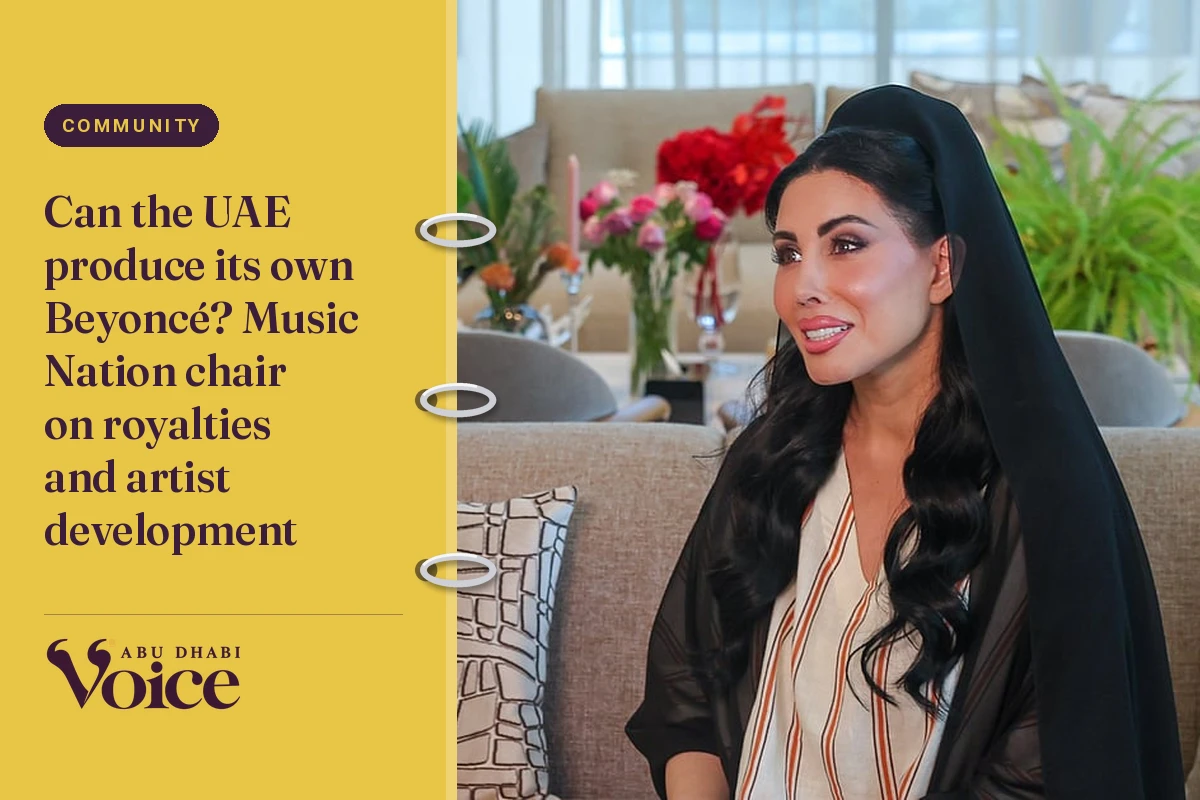
Al Mubarak, speaking in an exclusive interview from her home in Dubai, said she encountered many talented musicians who struggled to protect their creative rights and turn their passion into a sustainable career. Her legal background helped her recognise the importance of making copyright protections work in practice.
“Artists need somewhere to register their work. Businesses need a straightforward way to license it, and royalties need to reach the correct owners,” she said.
Bridging the gap between music value and creator earnings
Music Nation, which partners with BMI and SoundExchange for rights management and royalty administration, aims to make the route to income accessible and understandable. Al Mubarak explained that the process begins with musicians registering their work with Music Nation, ensuring ownership details and credits are accurate. When businesses use music covered by Music Nation’s licences, their fees contribute to the royalties available for distribution. Music usage is then matched to registered works and recordings, with money allocated to the relevant rights holders.
“So, as an artist, the amount you receive will depend on the relevant use, your rights, and the distribution rules,” she said. An artist who writes, performs and owns a recording could qualify for more than one share.
The stakes are particularly high for independent musicians who may lack the financial backing of major record labels. “When commercial music use cannot be properly tracked and cannot be properly licensed, creators can lose income that should help them sustain their careers. For an independent musician, that might affect whether they can even afford their next recording,” Al Mubarak said.
She emphasised that a first release deserves the same care in identifying its owners as an established catalogue. “An artist should be able to understand how their entitlement has been calculated.”
The path to global stardom for regional artists
When asked what it would take for the UAE to produce its own Beyoncé or Taylor Swift, Al Mubarak spoke about the less glamorous but essential work of developing songwriters, producers, managers and performers. “Building international careers for artists who start here in our country takes sustained work and takes teamwork. It means developing songwriters and producers alongside the performances and the performers, giving artists regular paid opportunities and connecting them with strong management and distribution.”
She pointed to the growing appetite for regional music, citing a 15.2 per cent rise in MENA recorded-music revenues in 2025. “The opportunity is to ensure more of that growth supports the talent developed here.” Al Mubarak expressed confidence that Emirati and regional artists can achieve international recognition. “I am sure that we are going to see so many Emirati, so many regional artists achieve that level of global recognition.” But she believes artists should be able to succeed on their own terms, with support and freedom to maintain their own identity.
On the question of language, Al Mubarak said she does not believe singing in English is a requirement for international success. “Absolutely, I believe an Arab artist can reach that level while singing primarily in Arabic, because listeners can connect with a voice, a rhythm, an emotion before they understand every word, and we’re already seeing very strong international reach.” She cited Spotify’s report that Arabic was among its fastest-growing languages in 2024. Turning that attention into a lasting career, she added, requires strong music, consistent releases, touring and investment in reaching audiences.
“English can be an artistic choice, like any language. Collaboration across languages is wonderful, but it should not be treated as a condition for being taken seriously or for being a global artist.”
Practical changes for the music industry
Al Mubarak highlighted the importance of contracts, transparency and educating musicians about their rights. “I would push for clearer contracts, transparent accounting, and better rights education and awareness early in the artist’s career.” She advised emerging musicians to understand what they own, what they are licensing, and how their earnings are calculated before signing an agreement. She also stressed that royalties from commercial public use of music need to function efficiently.
Beyond music, Al Mubarak’s commitment to justice extends to humanitarian work. She is involved with INARA, which supports children and families affected by conflict. She described privilege as having knowledge and awareness, and said her work with INARA has made the meaning of opportunity more concrete. “If we have access to people or resources that can help, how do we put that access to use?” She emphasised the importance of staying involved consistently because recovery takes time and meaningful support must continue after a crisis disappears from public attention.
Al Mubarak also backed the documentary “Seize the Summit,” which follows four young survivors of war from Syria, Afghanistan and Ukraine as they attempt to climb Mount Kilimanjaro. She stressed responsible storytelling: “Somebody’s pain should never ever become the price they have to pay to be heard.” Proceeds from the documentary go to INARA.
Reflecting on her upbringing in Abu Dhabi, Al Mubarak said she learned that achievement should have a purpose. “My own personal path has brought together law, humanitarian work, and the arts, which share a concern for people’s rights and opportunities. I see this as a responsibility to do something useful with those three elements of my life.”
She praised the UAE’s development and its investment in opportunities for people from different cultures. For the country’s creative community, she expressed a wish for more affordable spaces to rehearse and record, regular opportunities for locally based musicians, and stronger connections between education and paid work.