Men in the UAE shun mental health care; psychiatrists list 10 key barriers
Psychological specialists in the United Arab Emirates have highlighted the persistent reluctance among men to seek treatment for mental health conditions, a pattern they attribute to deep-rooted social norms, masculine stereotypes and a fear of being perceived as weak. The reasons, outlined by several consultants, include a narrow definition of masculinity that prohibits displays of sadness or fear, worry about social judgment, an inability to articulate emotions stemming from childhood conditioning, and a belief that psychological struggles can be resolved without professional help.
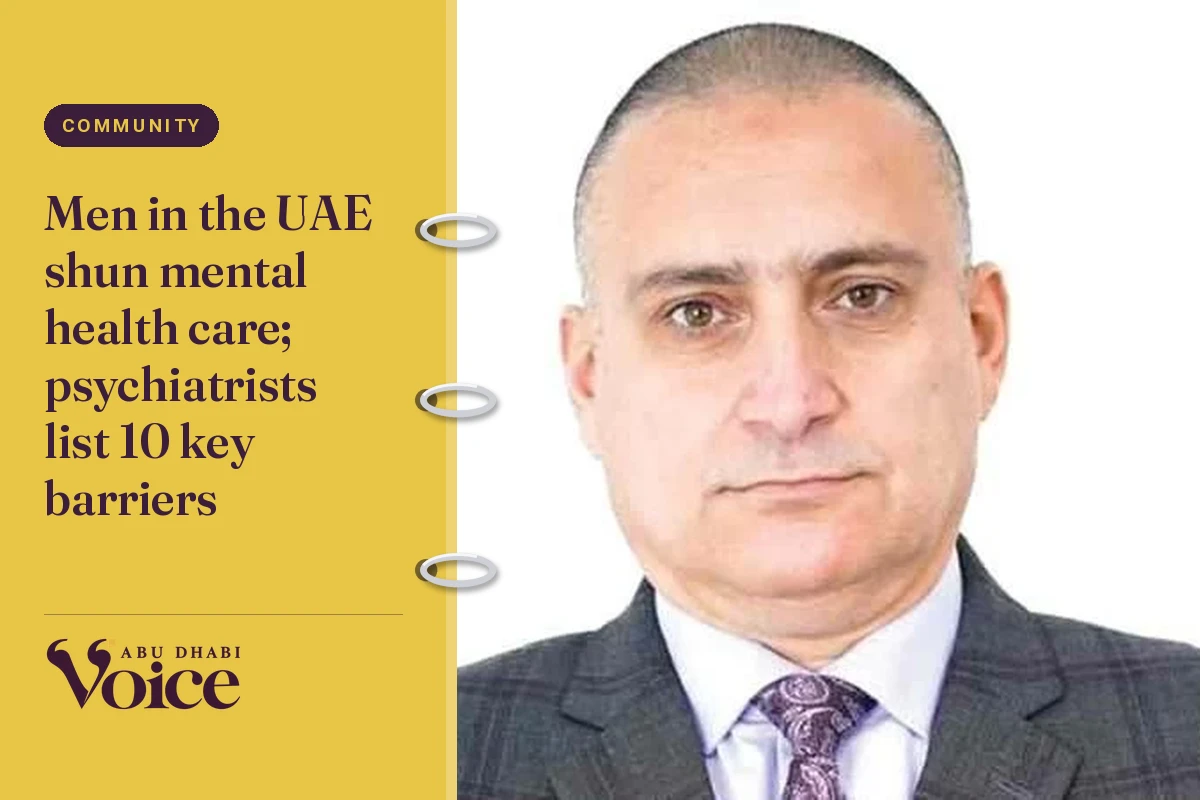
Dr. Medhat Al-Sabahi, a consultant psychiatrist, stressed that attending to mental health does not signify frailty but rather constitutes a vital step toward maintaining psychological equilibrium and improving overall well-being. He noted that untreated psychological issues frequently disrupt daily habits essential to physical health, such as sleep, nutrition and exercise. Neglecting emotional stability, he added, often worsens physical ailments and impairs professional performance, leading to lost productivity and economic costs. Stress, anxiety and depression, he explained, reduce concentration, slow decision-making, raise absenteeism and contribute to burnout, while also manifesting as headaches, sleep disorders and chronic fatigue.
Dr. Al-Sabahi identified the most common psychological disorders affecting men as depression, anxiety disorders, alcohol and drug dependence, post-traumatic stress disorder, sleep disturbances linked to mental health, bipolar disorder, obsessive-compulsive disorder, attention deficit hyperactivity disorder, personality disorders, schizophrenia and other psychotic conditions, as well as eating disorders. He cautioned that ignoring symptoms or postponing specialist care can worsen the condition and its impact on the patient, his family and the community.
Misconceptions about masculinity and mental health
Dr. Amir Javed, a consultant psychiatrist at Burjeel Medical City, observed that certain social beliefs continue to equate masculinity with toughness and an invulnerability to stress, reinforcing the idea that men are less susceptible to psychological disorders. He countered that mental health is unrelated to gender or age, as anyone can face circumstances that disturb their psychological balance and require attention. Dr. Javed pointed out that the factors affecting mental health are not solely emotional or social; they also include physical causes such as hormonal imbalances, vitamin D deficiency and hypothyroidism, all of which require medical evaluation. He urged that awareness of mental health be cultivated from childhood by helping children understand and express their feelings without ridicule or dismissal. Parents, he said, play a fundamental role: ignoring a child’s emotions or demanding they suppress them can lead to low self-esteem, fear of others, a tendency toward isolation and difficulty forming relationships. He called for a re-evaluation of common phrases such as “a man doesn’t cry” or “be a man,” explaining that crying is a natural human response and that proper upbringing involves teaching children to manage their feelings rather than suppress them.
Therapeutic concerns and social stigma
Dr. Nawfal Iyad, a psychiatric consultant, emphasised the importance of highlighting men’s mental health, noting that psychological disorders can affect anyone and that the pressure to embody the “ideal man” often drives men to project strength and dominance, resulting in tension, anxiety and other disorders. He acknowledged that some men fear the side effects of certain medications, particularly on fertility, and said that appropriate alternatives exist and that some cases do not require medication at all. Dr. Iyad warned that the stigma surrounding mental health may lead sufferers to hide their distress or postpone treatment for fear of judgment, which can worsen disorders, increase social isolation, reduce quality of life, lower self-esteem and impair performance. He stressed the importance of reassuring patients that they are not alone, encouraging them to seek help, trusting in the effectiveness of treatment, and providing family support and active participation in the treatment plan while maintaining social activity and avoiding isolation.
Family support and early warning signs
Social and psychological specialists Ahmed Abdel Salam, Nadine Mansour and Sarah Al-Khatib stated that families should not limit their concern to physical symptoms. They noted that some parents overlook a student’s psychological state as long as the child does not complain of pain or fatigue, even when behavioural changes, declining academic performance, sleep disturbances, withdrawal and loss of interest in previously enjoyed activities are evident. Such signs, they said, deserve attention and early intervention. They stressed the importance of building daily communication based on trust and dialogue, dedicating time to listen to children and encouraging them to express feelings and fears without blame or belittlement. Cooperation between the family and school, and consulting a psychologist or social worker when difficulties are detected, are essential. Comprehensive care, they concluded, begins with paying attention to what a child feels, not only to physical complaints.
Abu Dhabi’s expanding mental health infrastructure
The Department of Health – Abu Dhabi confirmed that it is developing an integrated mental health system that shifts from reactive care to proactive, ongoing support. The department reported an 81 percent increase in the number of mental health professionals since 2022 and said it has drawn up plans to double patient capacity over the next two years. It has integrated mental health services into primary care centres by training more than 1,930 family doctors to diagnose and manage common conditions such as anxiety and depression, enabling individuals to receive support at the closest point of care with referrals to specialists when needed. The emirate now has 143 mental health facilities, including 13 specialised centres, staffed by 640 qualified specialists, within a system designed to ensure continuity of care and direct cases to the appropriate level of service.
The department activated the 800-Sakina hotline to provide psychological support at any time. The hotline offers primary mental health care and direct access to qualified professionals for immediate support. A mental health self-assessment tool is available through the TAMM platform for adults aged 18 and above, allowing users to better understand their mental health, receive personalised recommendations and seek specialist advice. The Abu Dhabi Public Health Centre launched initiatives to raise awareness and change attitudes, notably the interactive “Beauty of Our Minds” experience, which provided community dialogue platforms to break the stigma associated with seeking support and promoted understanding of mental health as a natural part of human life.