Wellness optimisation in the UAE: When the pursuit of perfect health backfires
Health in the United Arab Emirates is increasingly being redefined beyond traditional concepts of eating well, exercising regularly, and seeing a doctor only when ill. A growing emphasis on preventive care, fitness tracking, personalised nutrition, and longevity treatments signals a broader shift toward proactive wellbeing management across the country.
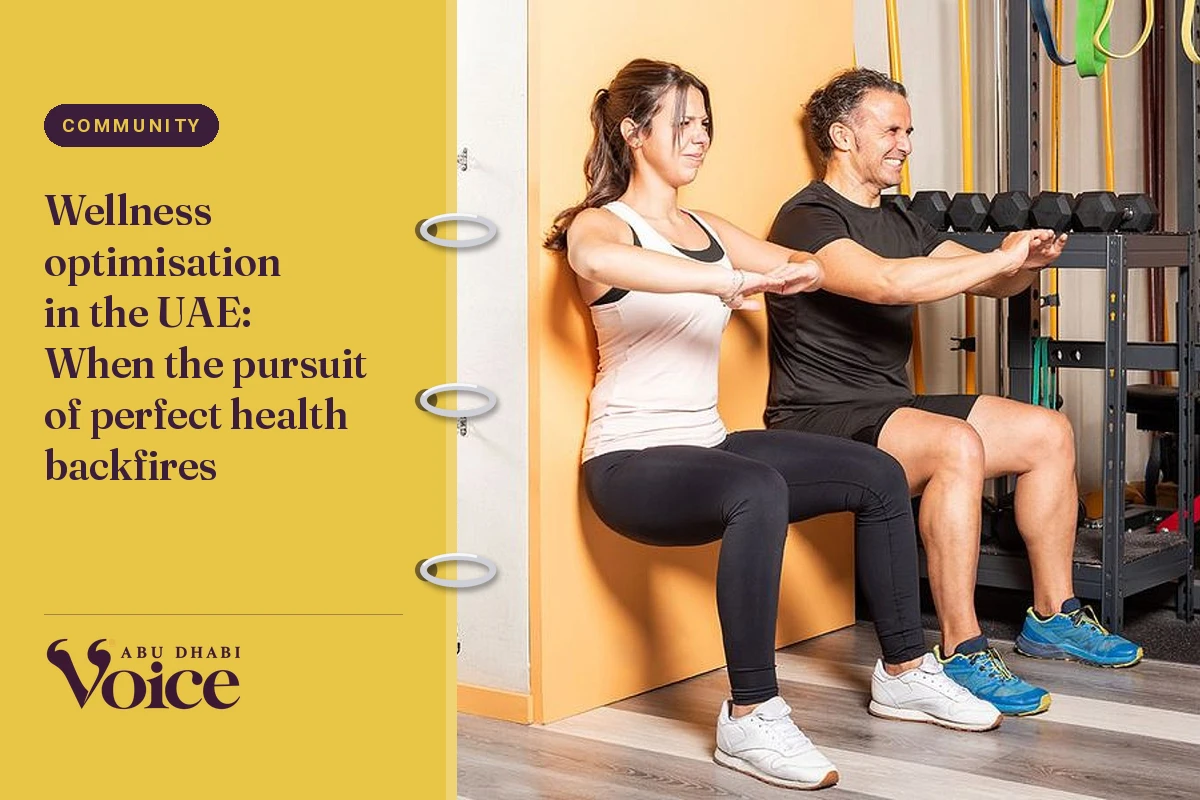
This approach, commonly referred to as ‘health maxxing,’ encourages individuals to fine-tune their physical and mental health through a combination of exercise, diet, sleep, supplements, medical screenings, and technology. Social media platforms have played a significant role in popularising the movement, with influencers sharing daily routines and products that claim to boost performance, energy levels, and healthy ageing.
While taking an active interest in one’s health can yield benefits, medical professionals warn that the drive to optimise every aspect of wellbeing can become counterproductive. They point to risks such as unnecessary testing, excessive supplementation, and the setting of unrealistic expectations.
Medical perspectives on the trend
Dr Shyam Rajamohan, a specialist in internal medicine at Prime Hospital, noted that health maxxing can motivate individuals to take greater ownership of their wellbeing. However, he emphasised that a proactive approach should be grounded in medical evidence and personal health requirements, not in the pressure to adopt every new wellness fad.
“More tests and supplements do not necessarily mean better health. Medical interventions should be based on individual health needs and clinical evidence,” Rajamohan told Gulf News.
He advised residents to seek guidance from qualified healthcare professionals, adhere to recognised medical guidelines, and choose scientifically validated treatments rather than relying on influencer suggestions or exaggerated health claims.
“Regular exercise, balanced nutrition, adequate sleep, stress management, vaccinations, and appropriate health screenings remain the foundations of good health.”
Rajamohan recommended consulting a licensed physician before beginning any supplements, hormone therapies, or experimental wellness treatments.
“Healthy ageing is not about chasing every wellness trend. It is about making informed, evidence-based lifestyle choices that prevent disease, improve quality of life, and promote long-term well-being.”
Risks of over-optimisation
Dr Adil Rizvi, medical director and consultant cardiothoracic and vascular surgeon at RAK Hospital, described health maxxing as an attempt to push indicators such as sleep, fitness, nutrition, and biomarkers toward what people consider optimal levels.
While the concept has merit, he cautioned that the fixation on perfect numbers can encourage harmful behaviours.
“We see people taking unnecessary supplements and injections, restricting their diet excessively, over-training, and over-testing. This can lead to liver and kidney strain, hormonal imbalance, eating-disorder patterns, and health anxiety. More is not always better in medicine,” Rizvi shared.
He urged caution with wearable devices, noting that a change in heart rate or a poor sleep score does not automatically indicate a medical condition. These gadgets should not be treated as diagnostic tools.
Rizvi advised asking three questions before adopting any trend: “Is there solid clinical evidence, not just testimonials? Is the person promoting it qualified and free of commercial interest in selling it? Is it approved by UAE regulators?”
He recommended speaking to a licensed doctor before starting supplements, injections, hormone therapies, or extreme diets.
Dr Fathelrahman Ahmed, consultant endocrinology at Medcare Hospital Sharjah, warned that the pursuit of better health can lead people to use medical interventions they do not actually need, especially regarding hormones, weight management, and continuous health monitoring.
“In my clinic, I see people using thyroid hormone, testosterone, or weight-loss injections without a medical indication. These can cause heart rhythm problems, bone loss, infertility, or muscle loss,” said Ahmed.
He also raised concerns about the growing tendency to monitor bodily functions that may not require constant attention. For example, some individuals without diabetes have been using continuous glucose sensors and becoming anxious about normal rises in blood sugar after meals.
“Unnecessary investigations can lead to anxiety, extra costs, and follow-up procedures that may not be needed. Whole-body scans, for instance, often find harmless incidental findings that trigger further tests.”
Even commonly available supplements require caution. High doses of biotin, often found in products marketed for hair and nail health, can interfere with certain thyroid and hormone blood tests, potentially contributing to misdiagnosis. Excessive vitamin D intake can also raise calcium levels in the blood to potentially harmful levels.
Ahmed pointed out that the solution lies in understanding individual health needs rather than trying to optimise every bodily function. Age, medical history, existing conditions, and medication use should all inform decisions about testing, supplements, and treatment.
“The fundamentals still deliver the greatest benefit: regular physical activity, good sleep, a balanced diet, not smoking, and knowing your blood pressure, blood sugar, and cholesterol.”
Balancing data with common sense
Gowtham Suresh, fitness trainer and founder of Dopamine Force, sees health maxxing as a positive development when people understand their habits and make better decisions.
Wearables, for example, can help individuals monitor daily steps, heart-rate trends, sleep patterns, and training performance. When used appropriately, this information can support more consistent exercise and better recovery.
However, Suresh cautioned against becoming so focused on data and the latest trends that people lose sight of the basics. A fitness tracker may highlight poor sleep, but it cannot always explain the cause. Similarly, a supplement marketed for performance or longevity is not necessarily effective, necessary, or suitable for everyone.
“My advice is to approach health trends with curiosity, but also with a healthy degree of scepticism. Social media can be a great source of motivation and education, but it can also make extreme routines and unrealistic results look normal,” said Suresh.
He warned against miracle claims and the assumption that natural products are automatically safe, noting that supplements can cause side effects or interact with medication.
Suresh encouraged combining regular strength training and cardiovascular exercise with balanced nutrition, sufficient sleep, and proper recovery.
“Real health optimisation isn’t about doing everything, it’s about doing the right things consistently, safely, and for the right reasons.”
Practical steps for residents
Although professional perspectives differ, experts agree on the importance of evidence-based decisions and sustainable habits.
For UAE residents interested in health maxxing, the starting point does not have to be an expensive screening package, a collection of supplements, or the latest longevity treatment. Regular movement, balanced meals, sufficient sleep, and appropriate preventive healthcare remain central to long-term wellbeing.
The aim is to use medical advice and technology to support better health, not to turn every measurement into a target or every wellness trend into a necessity. Healthy ageing is less about achieving perfection and more about making consistent, informed choices that stand the test of time.