UAE leads regional push to shield children from online dangers
The United Arab Emirates is intensifying its efforts to protect young internet users as digital environments evolve, bringing together government agencies, technology firms, families and law enforcement bodies in a comprehensive strategy.
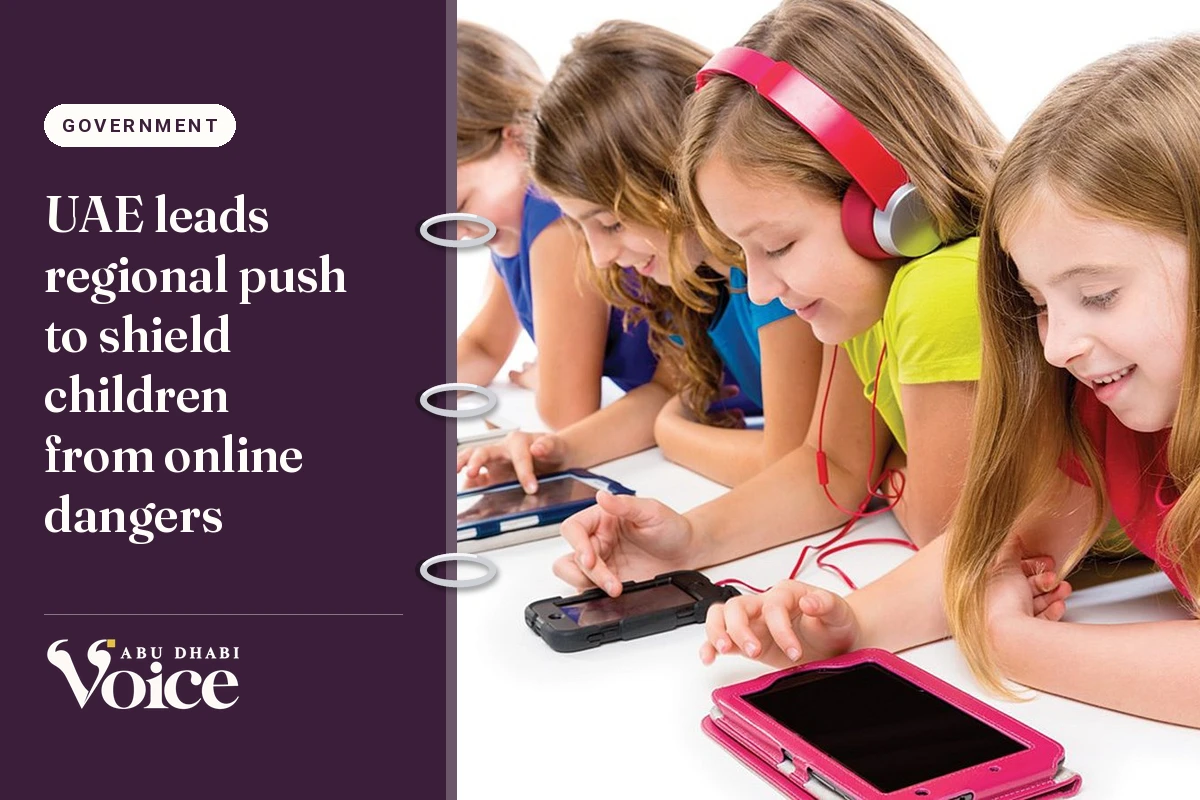
The approach combines digital literacy programmes, parental control tools, built-in platform safeguards and rapid reporting of cybercrime, aiming to let children benefit from educational and developmental opportunities online while staying safe.
Multi-million dollar grant expands digital safety training
Google’s philanthropic arm, Google.org, has committed $2.4 million to Injaz Al-Arab, an organisation that will use the funding to teach digital safety, security and citizenship skills to more than 2.3 million children across nine countries in the Middle East and North Africa over four years.
The training will be delivered through the Arabic version of Google’s Abtal Al Internet (Internet Heroes) programme, reaching children in the UAE, Egypt, Morocco, Tunisia, Saudi Arabia and four other regional states.
The announcement coincided with the opening of an interactive Google Internet Heroes experience at Alserkal Avenue in Dubai on 24 and 25 October, organised in partnership with the Telecommunications and Digital Government Regulatory Authority (TDRA) and the National Media Office (NMO). The space offered families hands-on activities to boost digital awareness and introduced parents to safety and supervision features across Google’s products, including children’s and teenagers’ accounts on YouTube and the YouTube Kids app.
Officials stress shared responsibility for safe digital future
Abdullah bin Mohammed bin Butti Al Hamed, Chairman of the National Media Office, said that creating a secure digital environment for young people is central to the UAE’s vision of building a safe, sustainable, knowledge-based society. He emphasised that protecting future generations from cyber risks must go hand in hand with enabling them to make the most of digital opportunities with awareness, confidence and responsibility.
Speaking during a visit to the interactive Google Internet Heroes experience, Al Hamed noted that digital literacy helps children distinguish reliable information from misleading content, protect their privacy and behave responsibly and respectfully online. Preparing young people for the future, he added, involves not only teaching them how to use technology but also developing the values and skills they need to make informed decisions and use digital tools responsibly. Greater digital awareness, he said, gives children more opportunities to explore, learn and create while contributing to a safer and more beneficial online environment.
Saeed Balhol, Acting Director-General of the TDRA, said the authority’s approach to children’s digital safety combines prevention, awareness and empowerment, with families, relevant authorities and digital platforms sharing responsibility. As technology and artificial intelligence advance rapidly, protecting children does not mean keeping them away from the digital world, he said. Instead, they should be equipped to explore it safely, confidently and responsibly, with the goal of developing a generation that can make sound decisions and navigate the online environment safely.
Anthony Nakache, Managing Director of Google for the Middle East and North Africa, said children increasingly use Google’s products to explore the world and learn new skills—from examining a life-sized Tyrannosaurus rex through augmented reality on Google Search to learning science on YouTube and using Google’s AI-powered Gemini tools to prepare for exams. He said parents and technology companies share a responsibility to guide children online, helping them develop balanced habits and become responsible digital citizens.
Google has introduced several default safeguards for users under 18, including setting uploaded videos to private by default, disabling autoplay and personalised advertising, and providing parental supervision tools such as Google Family Link and YouTube’s Family Centre.
Javid Aslanov, Head of YouTube for the Middle East and North Africa, said the platform wants parents to feel confident when their children use YouTube to learn and explore, whether conducting a science experiment at home or discovering the region’s history. He said automatic safeguards and accessible parental controls allow families to tailor their children’s viewing experience to individual needs while making the most of educational content.
Earlier this year, YouTube introduced dedicated experiences for children and teenagers, giving parents in the region greater control over the content their children watch according to age and developmental needs. Parents can also set daily viewing limits for YouTube Shorts, including the option to set the limit to zero minutes a day. These features complement YouTube Kids, a separate app designed specifically for children under 13 that offers several parental supervision options.
Research conducted by Kantar highlights YouTube’s educational role in the region. According to the findings, 95% of viewers in the UAE and Saudi Arabia believe the platform offers leading educational content, while 92% of Generation Z users said YouTube had helped them develop new skills. The findings underscore the importance of balancing access to educational resources with effective protection against online risks.
Police outline four key measures and warn of online fraud
Alongside these regional initiatives, Abu Dhabi Police have identified four key measures to protect children from online threats: parental supervision, technology-based safeguards, prompt reporting and regular monitoring of security alerts.
Lieutenant Colonel Ali Fares Al Nuaimi, Head of the Cybercrime Section at the Criminal Investigation Directorate of Abu Dhabi Police, said following these measures would strengthen digital awareness and help prevent cybercrime targeting children and other internet users. The first measure, parental supervision, begins with teaching children to take responsibility for their online safety, protecting personal information and being cautious about suspicious content, messages and links. The second involves using parental controls and security applications and monitoring the content children access online. The third is prompt reporting: children and families should contact relevant authorities if they encounter online grooming, cyberbullying or suspicious behaviour rather than ignoring the incident or trying to handle serious threats without assistance. The fourth is regularly checking security warnings and awareness messages issued by Abu Dhabi Police, which help families stay informed about emerging scams, understand how criminals exploit weaknesses in technology and recognise potential threats.
Al Nuaimi said these measures form part of the police force’s wider strategy that prioritises preventing crime and building an informed, responsible society capable of responding to changing security challenges.
In a related development, the Criminal Investigation Directorate at Abu Dhabi Police has warned about several forms of online fraud, including scams involving fake links, criminals posing as government officials or bank representatives, and fraudulent shopping websites designed to steal bank card details. Writing in the Ministry of Interior’s Police Community magazine, Al Nuaimi said these scams use deceptive methods to obtain victims’ banking information and exploit it for financial gain. He stressed the importance of avoiding links from unknown or unverified sources and never sharing banking details, passwords or verification codes with untrusted parties. Users should also check the identity and authenticity of institutions and websites before making payments or entering personal information.
The combined efforts of government authorities, technology companies and security agencies show that protecting children online cannot be left to a single institution. It requires cooperation between families, schools, government entities, digital platforms and law enforcement agencies. Awareness programmes such as Abtal Al Internet help children develop the skills to navigate online content safely, while parental controls and technological safeguards offer practical ways to reduce risks and police guidance and early reporting can help identify threats before they escalate.
As children’s use of the internet, social media and artificial intelligence tools grows, building a strong culture of digital safety at home—based on open communication, trust and informed parental supervision rather than solely on restrictions or traditional monitoring—is becoming increasingly important. The aim is not to keep children away from technology but to help them benefit from its educational opportunities while learning to protect their privacy, recognise misleading information, interact responsibly and report threats or abuse. By combining digital awareness with effective safeguards and early action against cybercrime, the UAE is working to prepare a generation that is better informed, safer online and equipped to thrive in an increasingly connected world.