Abu Dhabi Police seize over 9,200 e‑scooters in first ten months of 2026
Enforcement crackdown and seizure figures
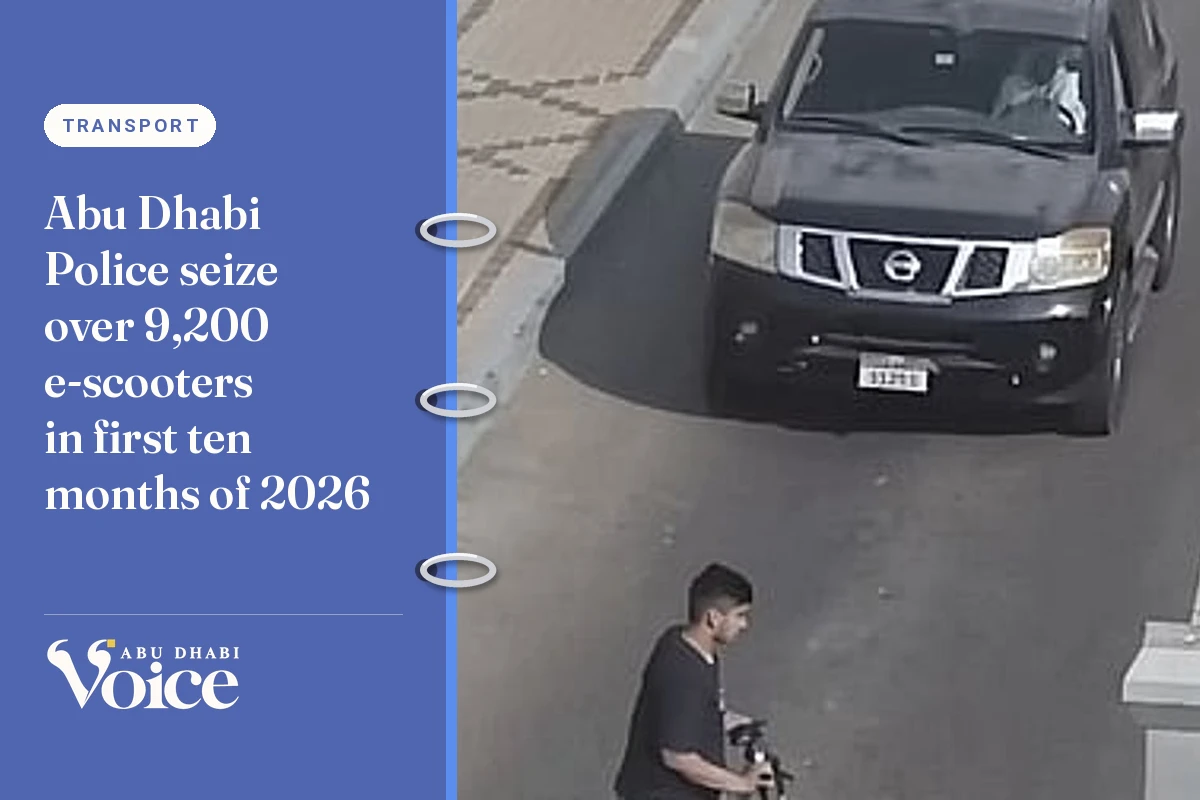
Abu Dhabi Police reported that 9,237 electric scooters were confiscated for breaking traffic rules during the first ten months of 2026. The scooters had been ridden on public roads, between moving vehicles and on routes not set aside for them, creating hazards for riders and other road users.
The Traffic and Patrols Directorate said the most common dangerous behaviours include weaving between traffic, failing to watch the road and riding without helmets or other safety gear. Such actions raise the chance of crashes that could cause serious injury or death.
Official figures released by Abu Dhabi Police General Headquarters showed a decisive enforcement drive and a tougher on‑the‑ground stance. Inspection campaigns led to the seizure of those 9,237 scooters found to be in violation of the rules in just ten months of 2026.
The authority stressed that scooter users must stay in approved zones, wear helmets and protective equipment and keep away from public roads and vehicle lanes to protect themselves and others.
Officials noted that the high number reflects more than a statistic; it signals a situation on the ground that needs closer study of its causes and effects on road safety. Figures for the first ten months of the year indicate a shift from ordinary awareness campaigns to a zero‑tolerance policy for violators.
Common violations and safety risks
The Integrated Transport Centre, which forms part of the Department of Municipalities and Transport, works with Abu Dhabi Police under a clear regulatory framework that lists 26 specific violations related to bicycle and electric‑scooter use.
Fines are graduated: Dh200 for minor procedural breaches or safety‑requirement violations, rising to Dh500 for certain offences such as riding on walking or jogging paths reserved for pedestrians. These penalties aim to safeguard people using the Corniche, parks, pavements and other public spaces.
An analysis of the most frequent violations shows the problem lies in how scooters are used, not in the devices themselves. The main unsafe practices observed are:
- Riding on major roads built for motor vehicles travelling at high speed puts scooter riders in the path of cars, heavy vehicles and buses, creating a serious collision risk and the chance of fatal injuries.
- Ignoring designated bicycle and scooter lanes and using walking or jogging tracks disrupts pedestrian movement, especially for older people and children, making public spaces less safe.
- Many riders go without helmets, reflective vests or suitable clothing for night or low‑light travel, and some scooters lack front and rear lights or effective brakes.
- Using earphones in both ears or being distracted by smartphones blocks surrounding sounds, preventing riders from hearing approaching traffic and reacting quickly to sudden situations.
From a wider road‑safety viewpoint, the intensified measures match Abu Dhabi Police’s goal of making roads safer and cutting traffic deaths and serious injuries. Although scooters are light, they can become dangerous in a crash with a vehicle or when they hit pedestrians because they lack a protective frame to shield the rider.
Traffic safety reports show that collisions involving lightweight two‑wheelers often lead to severe head and limb injuries, especially when riders are not wearing helmets.
Officials said that taking nearly 9,300 scooters off the streets is not only a punishment; it is also a preventive step intended to save lives and deter blatant disregard for traffic rules.
Preventive measures and expert recommendations
Transport and safety experts argue that lasting solutions require an integrated approach built on several priorities.
Awareness efforts should be stepped up and delivered in many languages, reflecting Abu Dhabi’s diverse population and the wide use of electric scooters among young people and workers.
Dedicated, segregated lanes for bicycles and scooters need to be expanded across residential and commercial districts to reduce clashes with motor vehicles and pedestrians.
Artificial‑intelligence systems and advanced cameras could be deployed more widely to spot repeat violations on secondary roads and pavements where scooter use is banned.
Abu Dhabi Police’s decisive actions, which resulted in the removal of 9,237 non‑compliant scooters in just ten months, underline that road security and the safety of every road user are non‑negotiable priorities.
As the emirate advances rapidly toward a future built on smart cities and sustainable mobility, personal awareness and respect for the law remain the ultimate safeguards.
Modern transport options should continue to serve as convenient, sustainable ways to travel — not become a source of danger, injury or traffic accidents.