Rain and scorching heat hit UAE as unstable weather brings showers to Al Ain
Rain fell in parts of eastern Al Ain on Saturday, October 17, while temperatures remained high across the United Arab Emirates, prompting Abu Dhabi Police to urge motorists to drive cautiously and heed variable speed limits shown on electronic road signs.
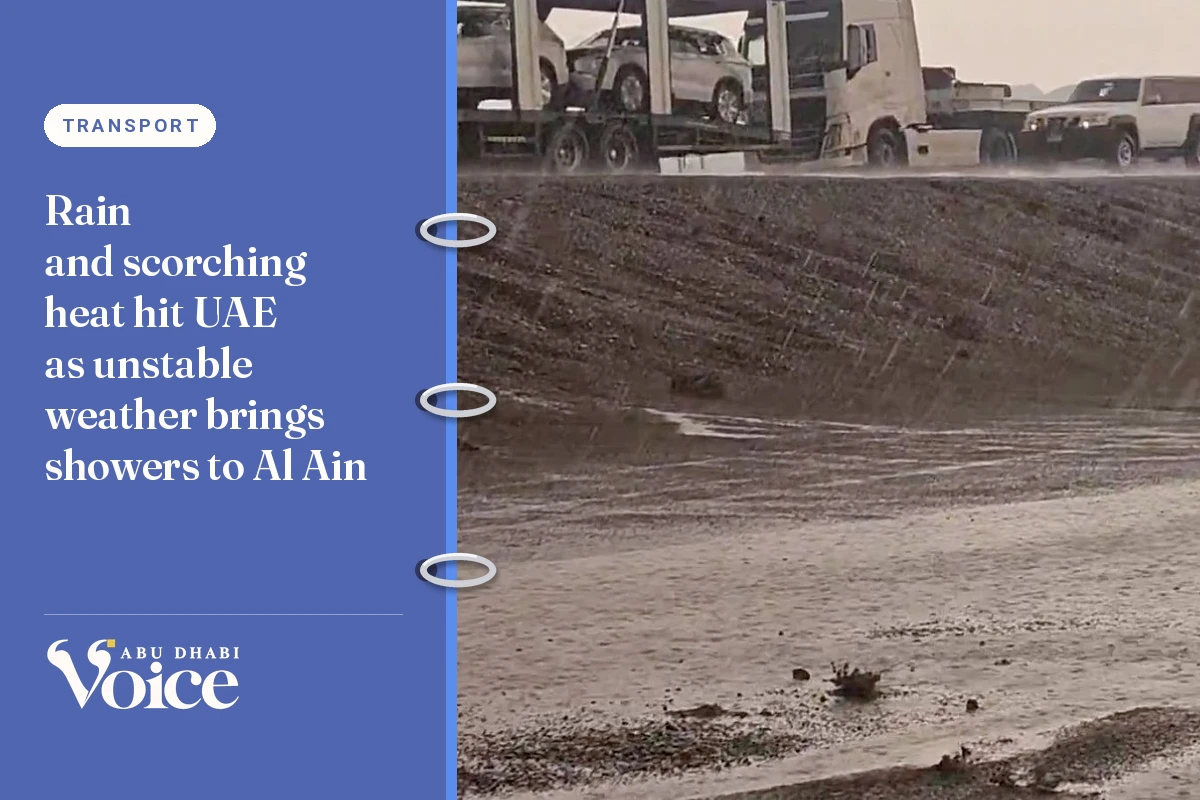
Rainfall in Al Ain
Showers were reported in Khatm Al Shiklah, east of Al Ain, where rain‑bearing clouds developed during the afternoon. The rainfall occurred on a day when the National Centre of Meteorology recorded a maximum temperature of 41.6°C in Sweihan, Al Ain, at 2.30 pm UAE time.
Weather dynamics behind the showers
The warning comes amid unsettled weather that can produce sudden showers and changing road conditions. Conditions during the Al Wasm season, a traditional period linked to seasonal changes and rainfall on the Arabian Peninsula, vary considerably across the UAE. In the northern Emirates, coastal areas may see rain‑bearing clouds form over the sea, driven by temperature differences between land and water, atmospheric moisture and cooling in the upper layers of the atmosphere. Depending on prevailing winds, these clouds can move inland and generate showers. In central and inland regions, daytime heating plays a key role in cloud development; as the ground warms, rising air encourages cloud formation and rain when sufficient moisture and instability are present. Mountains further support this process by forcing moist air upward, where it cools and may condense. Northern Musandam, the UAE’s eastern coastline and the coastal areas of Oman can also experience rain when moisture‑laden easterly winds meet mountainous terrain. Under favourable atmospheric conditions this helps create rain‑bearing clouds, but rainfall ultimately depends on wind direction, humidity, surface temperatures and conditions in the upper atmosphere. Consequently, the areas that receive rain, the intensity of showers and the timing of cloud development can differ from one weather system to another and from year to year.
Safety advice for drivers
Abu Dhabi Police called on motorists to exercise caution during rainy weather and to comply with variable speed limits shown on electronic road signs. Drivers were advised to follow the instructions displayed on information boards as road conditions change. The emirate uses variable speed limits during adverse weather — including periods of rain, fog and reduced visibility — to improve road safety. Motorists should reduce speed when necessary, keep a safe distance from other vehicles and remain alert to sudden changes in the road.