Yemen missile attack heightens Gulf risk as flights to Saudi halted and Hormuz shipping faces new threats
A deadly Houthi missile strike on a Yemeni military training camp has heightened tensions across the Gulf, prompting Etihad Airways to prolong flight cancellations to several Saudi cities and raising fresh alarms over shipping safety in the Strait of Hormuz, while Egypt weighs possible military support for Riyadh and oil markets react to the unrest.
Escalating violence in Yemen
According to the Associated Press, citing provincial authorities, at least 53 soldiers were killed and roughly 200 recruits injured when three ballistic missiles launched by Yemen’s Iran-aligned Houthis struck the Al Alam military training camp in Shabwa province on Monday. The Houthis admitted responsibility for hitting the facility, which had previously been used by a UAE-backed militia. Yemeni officials cautioned that the death toll could increase as rescue efforts continue. The attack comes amid intensified fighting between the Houthis and Saudi‑backed forces, including contests over the strategically vital Bab Al Mandab shipping lane.
Flight suspensions to Saudi Arabia
Etihad Airways announced on Monday that its services between Abu Dhabi and Riyadh, and between Abu Dhabi and Dammam, will remain cancelled through Saturday, October 24. In addition, the four flights linking Abu Dhabi and Jeddah – designated EY601, EY602, EY603 and EY604 – are also suspended until the same date. The carrier cited ongoing regional disruption and warned that further adjustments to the schedule might be necessary. The notice is especially pertinent for UAE residents travelling to Saudi Arabia for Umrah, business trips or family visits, who should verify their flight status and make any rebooking arrangements directly with the airline before heading to the airport.
Shipping hazards in the Strait of Hormuz
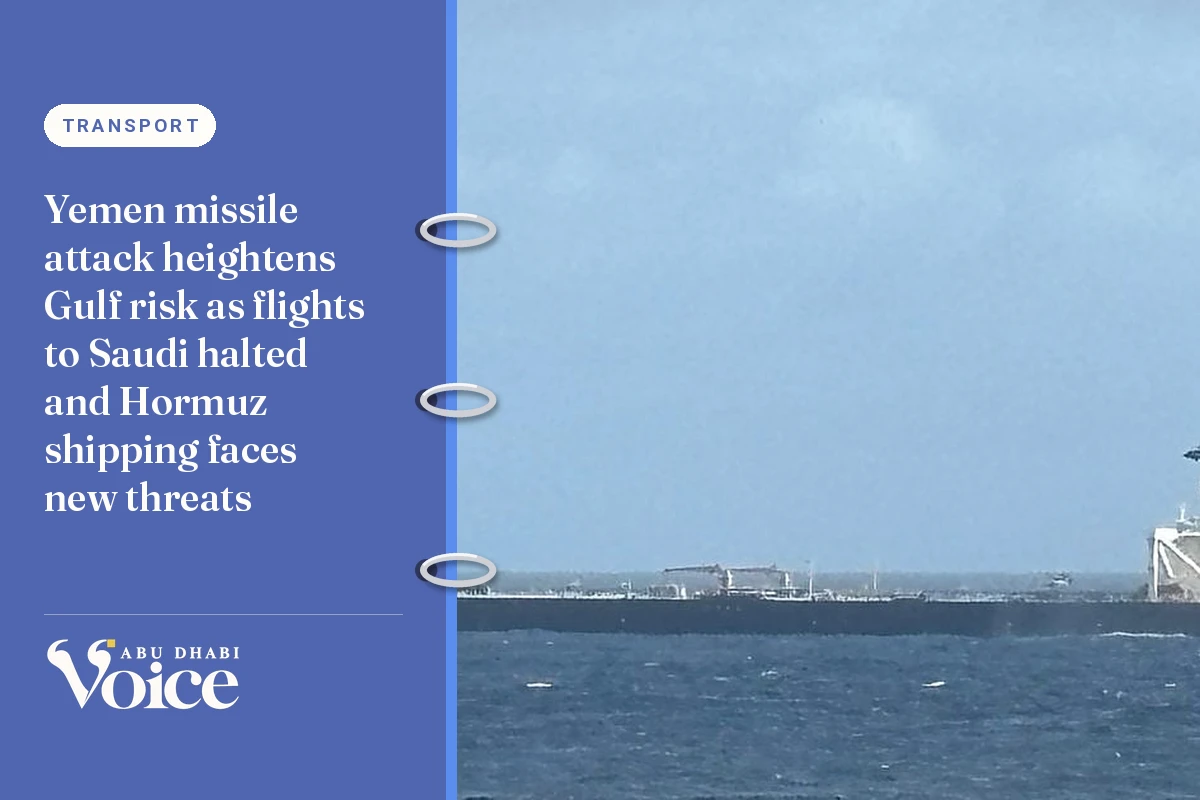
Iran’s Revolutionary Guards told Reuters that an oil tanker caught fire and exploded after striking a naval mine in the southern part of the Strait of Hormuz on Sunday. The exact cause of the incident has not been independently verified. Separately, the shipping analytics firm Kpler reported that Gulf crude exports dropped to about 8.5 million barrels per day last week, down from more than 20 million barrels per day the week before. Iran said its proposal to reopen the waterway within seven days remains on the table, although talks with Washington have not yet yielded an agreement. Analysts warn that continued insecurity could push up freight rates, insurance premiums and delivery times for companies based in the UAE.
Regional diplomatic and military developments
Reuters reported that Egypt’s parliament is slated to vote this week on a measure that would authorise military assistance to Saudi Arabia should Riyadh request it. President Abdel Fattah Al Sisi has said he will help protect Gulf allies after repeated Houthi strikes on Saudi infrastructure. Military analysts speaking to Reuters suggested that any Egyptian contribution is likely to focus on air‑defence systems and naval operations rather than deploying ground troops inside Yemen. Egypt and Saudi Arabia share a mutual interest in safeguarding the Red Sea and the Bab Al Mandab corridor, where ongoing instability threatens maritime trade linking the Gulf, Asia and Europe.
Oil markets reflected the turmoil, with Brent crude slipping to $108.41 a barrel during Monday trading, according to Reuters, as investors took profits and weighed the United States’ decision to relax certain restrictions on Russian exports. Despite the price dip, persistent tanker attacks and reduced Gulf shipments continue to exert pressure on energy markets, and a prolonged disruption could eventually influence transport costs and the price of imported goods in the UAE.
The UAE authorities said they maintain diplomatic coordination with Saudi Arabia and other regional partners on security and stability matters, and no new nationwide public‑safety restrictions have been identified in the official notices reviewed for this report. Residents are advised to keep monitoring official government guidance and airline advisories for any updates.